Arabic
Thursday, June 4, 2026
The Coptic Orthodox Cultural Center
  • About COCC
    • Egypt
      • About COCC
      • Our Goals
      • Our Mission
      • Our Achievments
      • Halls
      • Architectural Design‏
      • Vacancies
      • Donations
      • Security Advisors
      • Managerial Advisor
      • Cultural Advisor
      • Public Relations
      • Ecumenical Relations
      • Information Technology
      • Documentation Management
      • Collectibles Management
      • Marketing Management
      • Legal Management
      • Human Resources
      • Experimental Arts Center
      • Fine Arts Center
      • Center for Strategic Studies & analytical
      • Center for International Cooperation & the Exchange of Cultures
      • Administrative Affairs
      • Center of Studies & Administrative Development
      • Center for International Social Communication
    • U.S.A
    • Germany
    • Australia
  • Head of the Center
    • Center President
    • رئيس المركز الثقافي القبطي الأرثوذكسي
    • اخبار رئيس المركز
    • مقالات
  • Cultural Department
    • الأنشطة
      • كاتب وكتاب
      • مؤتمرات وندوات
      • احتفالات وتكريمات
    • Library
      • انشطة المكتبة اطفال وشباب
      • Children Library
    • COCC Releases
      • كتب
      • مجلة مصر الحلوة
      • نبذات
      • إصدارات المركز CD
    • علاقات مسكونية
    • بيت العائلة المصرية
  • Media Department
    • ME Sat Channel
      • ME Sat Channel Programs
    • أخبار
    • التقرير اليومى
    • أنشطة المركز في الصحف
  • Educational Department
    • Cocc Academy and ME Sat Media Academy
      • Courses for Kids
      • Courses for Adults
        • كللهما بالمجد
    • Scholarships
    • معسكرات خارجية
  • Service Department
    • “Do you Love Me?” Ministry
    • General and religious tourism
  • Awards
    • Wisdom and Compassion “Pope Shenouda III” Award
    • Humanities and Culture “Ola Ghabbour”Award
    • Creativity and Innovation “Makram Mehanna” Award
ادعمنا
No Result
View All Result
  • About COCC
    • Egypt
      • About COCC
      • Our Goals
      • Our Mission
      • Our Achievments
      • Halls
      • Architectural Design‏
      • Vacancies
      • Donations
      • Security Advisors
      • Managerial Advisor
      • Cultural Advisor
      • Public Relations
      • Ecumenical Relations
      • Information Technology
      • Documentation Management
      • Collectibles Management
      • Marketing Management
      • Legal Management
      • Human Resources
      • Experimental Arts Center
      • Fine Arts Center
      • Center for Strategic Studies & analytical
      • Center for International Cooperation & the Exchange of Cultures
      • Administrative Affairs
      • Center of Studies & Administrative Development
      • Center for International Social Communication
    • U.S.A
    • Germany
    • Australia
  • Head of the Center
    • Center President
    • رئيس المركز الثقافي القبطي الأرثوذكسي
    • اخبار رئيس المركز
    • مقالات
  • Cultural Department
    • الأنشطة
      • كاتب وكتاب
      • مؤتمرات وندوات
      • احتفالات وتكريمات
    • Library
      • انشطة المكتبة اطفال وشباب
      • Children Library
    • COCC Releases
      • كتب
      • مجلة مصر الحلوة
      • نبذات
      • إصدارات المركز CD
    • علاقات مسكونية
    • بيت العائلة المصرية
  • Media Department
    • ME Sat Channel
      • ME Sat Channel Programs
    • أخبار
    • التقرير اليومى
    • أنشطة المركز في الصحف
  • Educational Department
    • Cocc Academy and ME Sat Media Academy
      • Courses for Kids
      • Courses for Adults
        • كللهما بالمجد
    • Scholarships
    • معسكرات خارجية
  • Service Department
    • “Do you Love Me?” Ministry
    • General and religious tourism
  • Awards
    • Wisdom and Compassion “Pope Shenouda III” Award
    • Humanities and Culture “Ola Ghabbour”Award
    • Creativity and Innovation “Makram Mehanna” Award
No Result
View All Result
The Coptic Orthodox Cultural Center
No Result
View All Result
Home رئيس المركز Articles

Beautiful Egypt 93 – « The Pope Who Disappeared» February 8, 2015

by admin
17 October 2016
in Articles
On Life 56 – Resisting Hardships – December 13, 2014
Share on FacebookShare on Twitter

In the previous article, we tackled the Arab conquest of Iraq, Egypt and the Levant. The conquest of Egypt started from Arish, then Pelusium, Belbeis, passing by al-Qawaser, Babylon fortress, passing by Heliopolis and Um Dhenin until it reached the fortress which was besieged for a long time. After conquering the fortress, Amr bin al-‘As headed to Alexandria where he spent some time until he conquered it. Afterwards, he returned to Babylon and established Fustat.
In previous articles, we spoke of Pope Benjamin, the thirty-eighth patriarch, who fled to Upper Egypt to avoid being killed by Cyrus who had killed his brother.
Pope Benjamin I (623-662 A.D.)
Pope Benjamin I was born in Barshut (now Kafr Musa’id), Itay al-Baroud to a rich, pious couple. He yearned to monasticism. So, he went to St. Canopus’ Monastery in Abu Qir where he became a disciple of St. Theonas. He became so virtuous that he deserved to be presented to Pope Andronicus, the thirty-seventh patriarch, to be his assistant. The Pope ordained him priest and assigned him the church’s affairs which he handled well. When Pope Andronicus felt he was about to depart, he left a will that his disciple be his successor on St. Mark’s See.
During his lifetime, Pope Benjamin went through three historical eras, namely, the Persian, Roman which endured for ten years, and the Arab era.
First: the Persian Era
We tackled beforehand the Persian invasion of Egypt. Pope Benjamin was contemporary to the last five years of the Persians’ tenure. At that time, the Egyptian Church was relieved from intruding patriarchs who were appointed by Byzantium and persecuted her. Yet, the Persians ruined the country, ransacked it, destroyed churches and monasteries and killed many people.
Second: the Roman Era 
After Heraclius had overcome the Persians, Egypt was restored to the Romans. The Emperor started restoring what the Persians had ruined, which gave Pope Benjamin the chance to restore the monasteries which the Persians had destroyed during their tenure. So, he reconstructed Sceti monasteries in al-Natrun Valley. He built St. Pishoy’s Monastery and returned its monks to it, after which their number increased. So, he took them to St. Makarius’ Monastery which they restored. They also built a great church there and invited the Pope to consecrate it.
Yet, this peace did not last. In fact, a chain of persecutions started alighting on the Copts, and endured for ten years. Heraclius persecuted Copts and sent Cyrus (al-Muqawqis) to be a civil and religious ruler of Egypt. So, Pope Benjamin fled to Upper Egypt after the Lord’s angel had appeared to him and told him to do so, declaring to him the tribulations that were to alight upon Copts by the Romans. This did take place. Melchites started persecuting the Coptic Church, and Cyrus tormented whoever refused to abide by the Melchite creed, preferring scourging or death to abandoning their faith. Alfred J. Butler asserts that Copts were coerced and oppressed by Cyrus. Hence, Pope Benjamin fled to Sceti desert with some bishops, after which they headed to Upper Egypt. Throughout that time, Cyrus was Egypt’s civil and religious ruler.
In the article entitled, “St. Samuel, the Confessor”, we spoke of the persecution that alighted on monks. Copts could not escape such tribulations, for whoever refused to forsake his creed was either flogged or imprisoned. Either way led to death. This did not take place in Alexandria only. It spread throughout Egypt, as Melchite bishops used to persecute Copts as well. So much so, that Copt priests were either killed or expelled from their houses. Melchites sought Pope Benjamin by all means. So, he kept moving from one monastery or cave to another. Some bishops and members of the congregation were scared by the persecution. So, they joined the Melchite creed. Yet, they were unhappy, as they showed what contravened with their faith. Historians maintain that some Copts remained in Alexandria, despite the absence of priests during those ten years. Only one priest remained. Yet, he disguised himself in a carpenter’s attire, carrying his tools. At night, he would go to church to conduct prayers. He used to help and strengthen Christians.
It came to pass that the congregation tried to get rid of Cyrus. Yet, a Roman officer got to know. So, he sent sentries to take revenge from the conspirators and their aides. Subsequently, they killed some of them, wounded others, and chopped the hands of others, without taking any legal measure.
Third: the Arab Tenure
Historians assert that Cyrus was at the fortress when Amr bin al-‘As started besieging it. Yet, Cyrus fled to Alexandria. Worthy mentioning is that all the churches within the fortress were charged to Melchite priests, as Copts were forbidden from praying there. Dr. Abdul Aziz Jamal al-Din asserts, “Nobody was allowed to embrace a creed other than the Melchite, for Cyrus had always been the worst enemy of the Copts’ creed. He remained as such till the end. His presence in the fortress is the best proof. No Copts were allowed there. Even worse, Romans suspected some Copts and harshly penalized them.” Copts were not allowed to join the army or any military post. A ten-year persecution was enough to make them flee to deserts and mountains.
One month after Amr bin al-‘As’ besieging the fortress, Cyrus convened with his associates. He involved the bishop of Babylon in the issue of the war. They unanimously agreed to flee to al-Roda Island and send envoys to Amr to negotiate with him regarding taking money against letting them leave the country. This did happen. Cyrus dispatched some envoys, including the bishop of Babylon, to Amr. Amr said to them, “I have nothing but three conditions; love them or leave them. Either you become Muslims so you have our self-same rights and duties; or remain as you are, so you pay the “jizya” submissively; or we get into a battle until God makes His decision, for He is the best Judge.” Romans did not come to terms regarding accepting or not Amr’s conditions. They asked him to give them a month for consideration. Yet, he only gave them three days.
News spread amongst Roman sentries who refused to abide by these conditions; so they plunged to battle. Amr overcame them. Cyrus wanted to surrender to the Arabs. So, he seized the opportunity of the Romans’ defeat, and sent Amr a reconciliation plea, provided that Heraclius accredited it. Thus, both the Arab and Roman troops awaited the Emperor’s answer. Abdul Aziz Jamal al-Din comments on this, saying, “Cyrus who was appointed by the Emperor civil and religious ruler of Egypt desired more, for he had realized how feeble the Empire had become. The following reasons constitute the evidence:
– Cyrus suggested giving up Egypt to the Arabs and paying the “jizya”.
– He remained in Egypt, despite the Emperor’s deposing him, until his death, for he kept reassuring himself he would achieve his goals.
– He tried to reconcile with Copts for two reasons: First, that they might accept him as ruler; second, that they might accept him as patriarch should he ever be able to get rid of Benjamin who had already been away for ten years.
Cyrus sent a message to Heraclius concerning the reconciliation; so the latter summoned him promptly, and… Stories never end in Beautiful Egypt.

General Bishop
Head of the Coptic Orthodox Cultural Center

Tags: الانبا ارمياالبابا المختفىالبابا بنيامين الأول
Previous Post

Principles – Change – 7/2/2015

Next Post

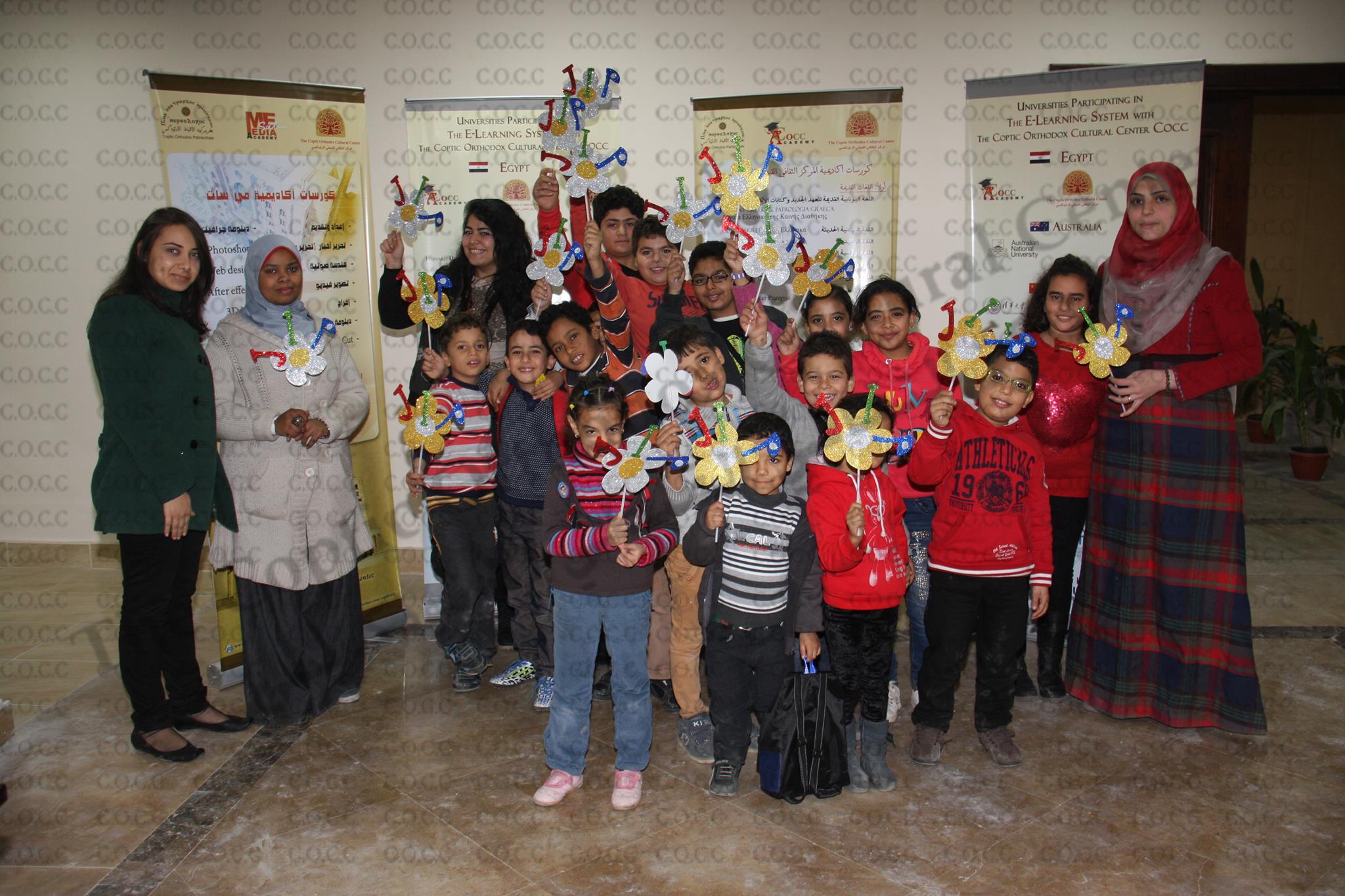
COCC Academy organizes a party at the end of JIP children course

Next Post
COCC Academy organizes a party at the end of JIP children course

COCC Academy organizes a party at the end of JIP children course

Please login to join discussion
Facebook Twitter

(العربية)

  • عن مكتبة مارمرقس العامة
  • انشطة مكتبة مارمرقس
  • اخبار مكتبة مارمرقس

Recent Posts

  • The Aristotelian Academy announces the opening of registration for the “Biblical Studies” course
  • Bishop Ermia and the Egyptian Family House congratulate the Governor of Cairo on Eid al-Adha
  • Bishop Ermia the “Do Not Be Afraid” concert at Anba Reweis Theater, with the participation of Bishop Sarabamon and Bishop Elia

© 2022 المركزأالثقافي القبطى الارثوذكسي

No Result
View All Result
  • About COCC
    • Egypt
      • About COCC
      • Our Goals
      • Our Mission
      • Our Achievments
      • Halls
      • Architectural Design‏
      • Vacancies
      • Donations
      • Security Advisors
      • Managerial Advisor
      • Cultural Advisor
      • Public Relations
      • Ecumenical Relations
      • Information Technology
      • Documentation Management
      • Collectibles Management
      • Marketing Management
      • Legal Management
      • Human Resources
      • Experimental Arts Center
      • Fine Arts Center
      • Center for Strategic Studies & analytical
      • Center for International Cooperation & the Exchange of Cultures
      • Administrative Affairs
      • Center of Studies & Administrative Development
      • Center for International Social Communication
    • U.S.A
    • Germany
    • Australia
  • Head of the Center
    • Center President
    • رئيس المركز الثقافي القبطي الأرثوذكسي
    • اخبار رئيس المركز
    • مقالات
  • Cultural Department
    • الأنشطة
      • كاتب وكتاب
      • مؤتمرات وندوات
      • احتفالات وتكريمات
    • Library
      • انشطة المكتبة اطفال وشباب
      • Children Library
    • COCC Releases
      • كتب
      • مجلة مصر الحلوة
      • نبذات
      • إصدارات المركز CD
    • علاقات مسكونية
    • بيت العائلة المصرية
  • Media Department
    • ME Sat Channel
      • ME Sat Channel Programs
    • أخبار
    • التقرير اليومى
    • أنشطة المركز في الصحف
  • Educational Department
    • Cocc Academy and ME Sat Media Academy
      • Courses for Kids
      • Courses for Adults
    • Scholarships
    • معسكرات خارجية
  • Service Department
    • “Do you Love Me?” Ministry
    • General and religious tourism
  • Awards
    • Wisdom and Compassion “Pope Shenouda III” Award
    • Humanities and Culture “Ola Ghabbour”Award
    • Creativity and Innovation “Makram Mehanna” Award

© 2022 المركزأالثقافي القبطى الارثوذكسي